First you need to get yourself a cactus shower-brush. The Body Shop has one, I see…
Best if you want to: Massage and exfoliate your skin, remove dead skin cells… with soft cactus bristles.
How it works:
* Bristles made from cactus are soft and provide gentle exfoliation.
* Particularly good on dry skin that needs to be exfoliated regularly.
Well that’s a mystery to me. They claim they have “soft cactus bristles.” I can’t imagine. I guess that’s why I don’t run a spa.
You Say Potato Cactus, I Say Cactus Potato
They are not the same thing at all, so it turns out. Actually to be clear, there’s no such thing as a potato cactus or a cactus potato in the botanical world. But on the other hand…
Potato Cactus are used in:
* Herblore to make magic potions
* Summoning to create spirit kalphite pouches
That’s a reference to Runescape, in case you wondering. What is Runescape? I’m guessing a D+D game.
Cactus Potato - Apparently you can be the first to review the Cactus Potato restaurant in Lomita, CA if you click through the link. Anyone know anything about them?
Now it seems like Saguaro National Park is going to tag cacti to discourage theft. A timely opinion column in the Tucson Citizen tells the story.
These are tough times for the saguaro cactus. The Goliaths of the desert have been besieged in recent years by non-native plants. Invaders such as buffelgrass choke off young saguaros and increase the likelihood of a habitat-scorching wildfire.
Man, of course, also has proven to be a nemesis. Thieves, while rare, have made off with young cactuses, sometimes taking a dozen at a time.
Thankfully, technology offers a way to fight back.
Saguaro National Park plans to tag young cactuses with tiny microchips to help in investigations of missing cactuses and to make robbers think twice before striking.
Saguaros are a living symbol of the Southwest and lure visitors from around the world to our city. Keeping the cactuses alive and well should be a top priority, and we’re glad to see that Saguaro National Park has found a high-tech way to stick it to thieves.
I hope they don’t mind that I quoted it in full. It’s short, and relevant.
Help! I’ve Underwatered and Overwatered and Now What Do I Do?
Subject: Help
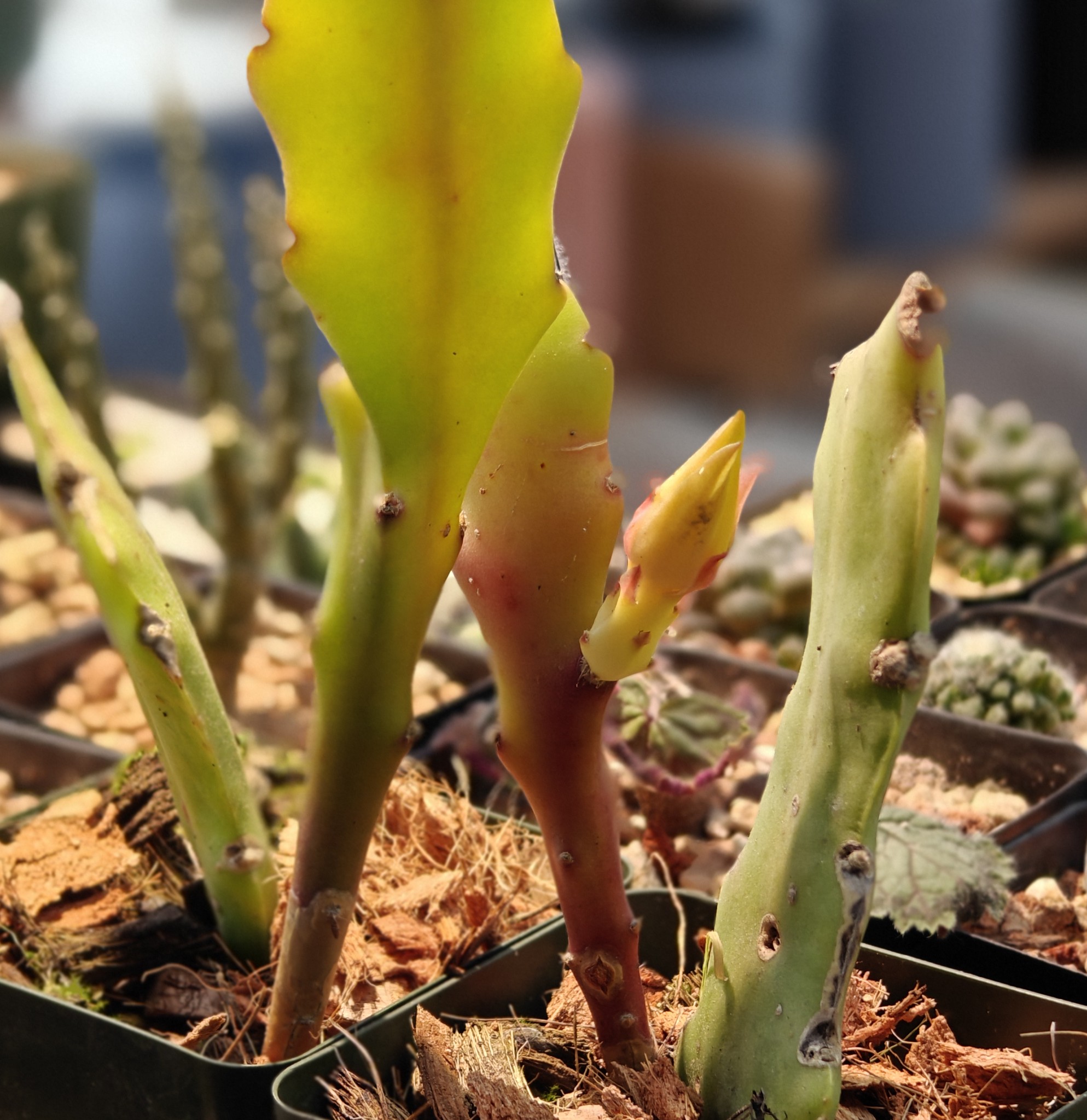
Picture 1 is of my Silver Torch, looks dry? It has not grown well the past 2 years?
![]()
Picture 3 is not sure of the type but, it is one of my favorites and it got too much water in a recent storm. The base of one of them is now a hole and very soft. Is it the end? can I save it at all?
Thanks so Much,
MH
Mark,
I recommend pulling it out of the pot, spraying the whole plant with either household 3% Hydrogen-peroxide or a 1% solution of Neem Oil. Let dry a few days, spray again and if need be cut out rotting parts. Save top parts to re-root, though Cleistocactus are hard to get to root but you might get them to grow roots if you keep it warm and dry. Make sure to re-pot in fast draining, gravely soil with very little organic material.
The 2nd plant is Opuntia pyrrhantha. Same care issues - spray, let dry out, and if needed cut and reroot.
Good luck,
Hap
At the Chicago Tribune they’ll try anything to cure their dandruff.
“I spent five years going into the mountains talking to old people about the remedies and native plants,” she said… The old ways were kept alive by the descendants of Curacao’s African slaves…. They brought their knowledge of herbal remedies with them but had to adapt to new plants they hadn’t seen before….
The seeds of the tromustok tree are used as a laxative… The calabash tree… is used for asthma and coughs… A concoction made from a cactus is good for backaches, she said, as well as for dandruff shampoo.
Dandruff remedies are all the rage these days, and now it turns out I’ve been growing my own dandruff remedies right here at home all this time and I never knew it. I could be a millionaire!
Did I mention alcohol today? Well, here’s some more cactus-related alcohol in the news.
`I wanted to create something that represented those flavors I grew up with,” Merino said of Macondo’s cocktail menu. The restaurant, which draws its name from the fictional town in Gabriel Garcia Marquez’s “One Hundred Years of Solitude,” showcases nine of Merino’s concoctions.
It’s a literary bartender!
`My Most Original Drink’
He also uses Cointreau, agave nectar, honey, lime juice and a green liqueur called Agwa, made from Bolivian coca leaves, which has “a weird flavor by itself but blends perfectly in this drink.” Merino is always shooting for complexity and balance.
He puts all the elements into a blender with a little ice. Before pouring, he coats the rim of the glass with nopal salt, which consists of dehydrated cactus, lemongrass and other spices.
And he uses cactus and agave in one fizzy mix.
Well, this is what you get after I’ve just spent the whole day trying to set up a new POS system for the store.
Jane Armstrong, a restoration artist with Evergreen Painting Studios, restores the mural that was under layers of paint at the Alameda Theater in Alameda, CA on Thursday afternoon, August 7th, 2008. (Laura A. Oda/The Oakland Tribune)
“(I)t has such a free-flowing, symmetric design to it. I love the style,” Armstrong said. “It has a bit of a cubist element to it, with shades of a stylized desert-cactus landscape. And the use of the (silver and gold) leaf and the way space is created within it are sophisticated, quite sophisticated….”
With the mural project wrapping up, the theater will develop the surrounding space as a wine and cappuccino bar for adults.
I think wine is the underlying theme for the blog today.
Someone at UCLA wants to know how drugs affect the brain and what they can do to help patients with terminal illnesses. And so we get a scholarly reference to Peyote.
The way hallucinogens such as LSD (lysergic acid diethylamide), psilocybin and mescaline (the active ingredient in the peyote cactus) act on the brain is reasonably well understood by scientists. The drugs stick to chemical receptors on nerve cells that normally bind the neurotransmitter serotonin, which affects a broad range of brain activities. But how this leads to the profoundly altered states of consciousness, perception and mood that typically accompany a “trip” is not known….
Since the 1970s, scientific research into the effects hallucinogenic drugs have on the brain and their potential benefits has become a pariah field for any scientist who wanted to keep their reputation…
“As a culture we just decided clinical research shouldn’t be done with this class of compounds”…
“These drugs, these experiences are not for the mystic who wants to sit on the mountain top and meditate. They are not for the counter-culture rebel. They are for everybody,” he said.
Such a long quote when the part about the cactus was really quite minor. I wonder what that says about me? Now you’ll all think I’m some kind of drug addict, when really my drug of choice is vodka. And gin. A little rum on occasion. Lot’s of California red wines. Sometimes a french red. My mom thinks I’m an alcoholic since she once saw me have a 2nd glass of wine with dinner. She doesn’t know about the 16 shots of Jameson I did in my fraternity days, Go Delts.
In Hesperia, CA in the Mojave they name the streets after plants.
I grew up in a town where the developers named the streets after themselves and their families. My street was called Malubar Ln. after the developer’s children Marilyn, Lucy and Barbara. Really.
In Europe, they name the streets after artists and architects.
Are you aware that most of the streets in Hesperia are named after botanical varieties? That is Hesperia’s “theme.” It’s also why there are streets named Lime, Lemon, Peach, Yucca, Olive, Walnut and Juniper, among others. We also, of course, have some numbered and lettered streets, and a Main Street. But most are plant names, though not necessarily desert plants.
No cacti among them, which seems strange since it is in the Mojave Desert. Let me check out teh google and see what I can come up with….
It seems that they are mostly named after tropical trees. But I see a Cactus St., and a Joshua St. But then I see the Mango St. and the Avocado St. and the Guava, Grapefruit and Pecan Streets and all is lost.
New-Succulent-Planters-Make-the-Street-Come-Alive Link of the Day
Ned Raggett ponders the succulent gardens planters at his favorite coffee and shares a picture.
(O)ver at the Gypsy Den, my regular coffee house haunt, they took out the old plants in the planters and replaced them with new succulents…. the more colorful arrangement is a nice touch.
I’m sure the fine people over at the Gypsy Den appreciate the appreciation. I wonder what city we’re talking about?
…with the sound of succulents sipping water through the seasonal dry spells.
In Florida they can grow the classic Madagascar plants outside. Lucky Floridians
JOHN VANBEEKUM / MIAMI HERALD STAFF
A twisty, spiny Alluaudia montagnacii thrives in the South Miami yard of Fairchild Tropical Botanic Garden….Succulents… are endlessly visually interesting, with forms that make green-leafed shrubs seem deprived of imagination. And they are survivors, with a will to live that is in-your-face apparent, meaning they may be more at home here than you think.
”The tropical look here is an illusion,” says Harvey Bernstein, who has landscaped his front yard with succulent plants.
I like illusions. I harbor many myself. Like the illusion that this blog has dozens of regular readers. That’s a fun illusion.
Well, I’m testing out the power of this garden blog. We have a plant we have been growing for many years. So many years, in fact, that we never checked the name. Our original parent plant came with a name, and back then we didn’t really check them out. Now it turns out this name doesn’t exist in any references, except our own site.
What is this plant? We call it Pachyphytum hassei.

Any ideas? It may be an Echeveria, or a hybrid Pachyveria. It’s not a Dudleya. I don’t think we’ve ever seen it bloom. Not that any of us remember.
I don’t know why I picked Iowa for this lovely Sunday stroll through the (green roof) park, but there you go.

Modular Green Roof – Old Federal Building, Dubuque, IA

Green Roof – Willowwind School, Iowa City, IA

Green Roof – North Ridge Park Pavilion – Coralville, IA

Green Roof – Des Moines Public Library, Des Moines, IA
If they can do all that in Iowa, then what’s your excuse?
I’m creating a new plant based horoscope. It’s for cactus and succulents, mostly. Maybe other plants will get their own horoscope too. I haven’t decided yet.
First up, we have:
Ypremosus: the constellation just to the left and a little behind Orion.
Dates: February 3 - February 8 (these new signs are going to be very specific.)
Characteristics: Happy, healthy and full of vissicitudes
Your cactus’ horoscope for August: Ypremosus cacti are a little worried they’re too outgoing, too prickly to their neighbors. Be aware of your failings when visiting relatives, and keep quiet. Don’t put yourself out there. Set fruit, hang back and enjoy the summer sun, but be prepared for cloud cover to come soon.
Well, that’s the end of that.
Nearly all of more than 2 million acres of public lands in six counties surrounding Richfield would be open to oil and gas drilling and off-highway recreation, under a U.S. Bureau of Land Management proposal released Friday.
The plan, which would open about 80 percent of public lands to energy drilling and about 90 percent to off-roaders, also would allow OHVs into areas of Factory Butte previously closed for endangered-species protection and wilderness-quality lands….
A bit more than a year ago, the BLM closed nearly all of it to cross-country OHV travel…. The emergency action was taken to protect endangered Wright fishhook cactus and the threatened Winkler cactus.
Well, I’m sure the administration has looked into it closely and has determined that they’re not worth it. No good reason to save a couple small cacti. They are doing their best to serve us all, and if they decide we shouldn’t be saving an endangered cactus, well then who are we to argue. It’s for our own good, those actions they take for us, they are.
They like the plumeria down in Southern Cal. Well, of course they do, since they can grow it outside, and it will bloom for them. We have a bit more trouble with it up here in the Northern parts of Cal. Indoor, and the spider mites love it. We get about 1/4 to rebloom in any good year.
Ed Crisostomo / The Press-Enterprise
“They take all the heat you can give them,” says Seymour D. Van Grundy of the tropical plumeria plant.
Ruth has some tips for you, i.e. They Get Questions
Ruth Bancroft is very good at answering questions.
But first they publish a photo from the gardens.
Prickly pear, Opuntia ficus-indica, is tree-like. Becky Rice/Ruth Bancroft Garden
Q: I have an assortment of planters on my deck, mostly planted with succulents. Their interesting forms and delightful colors have long been a source of pleasure for me and my visitors. In the last year or two, I have noticed that many of them seem to be in decline, with shrinking heads of leaves and less flowering. What might the problem be?
A: First off, people often plant Aeoniums… and are alarmed when the leaf-heads become markedly smaller and stop growing in summer. Since this is a winter-growing plant, summer shrinkage is normal…
Aside from this, it is not uncommon for planter boxes and dish planters to decline over time if the planting medium is not renewed.
It’s true.