
The Friendly Guide to Ferocactus Care: Sun, Soil, and Water Essentials
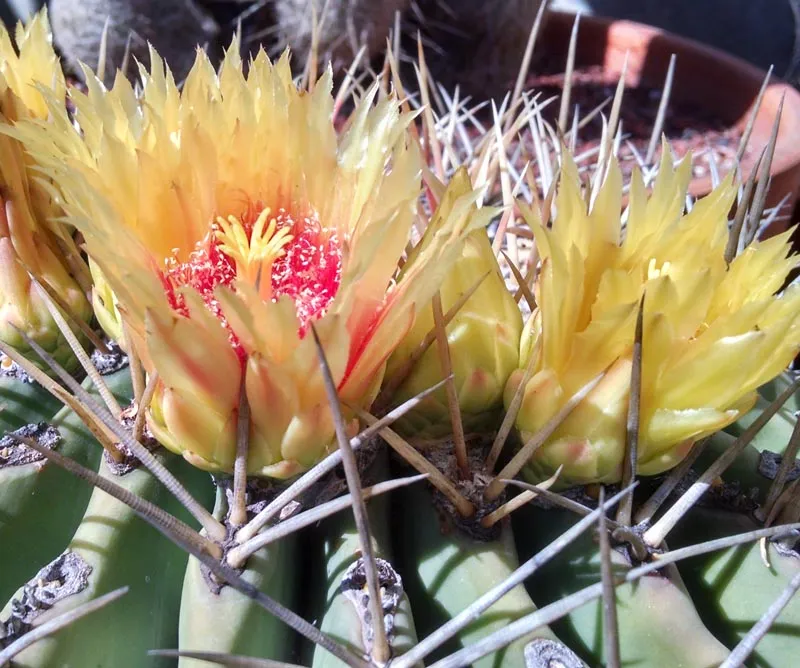
Ah, the Ferocactus – a crown jewel of the cactus world, admired for its stunning form and captivating spines.
These hardy fellas hail from the deserts of North America and Mexico, where they thrive under harsh sun and minimal rainfall.
But don’t let their tough exterior fool you – just like all living things, they need special TLC.
Luckily, with the right care, your Ferocactus can become a cherished companion in your home, adding a touch of spiky charm to any space.
Here at Cactus Jungle, we’re passionate about helping all cacti thrive, and Ferocactus is no exception. This guide explores the key ingredients for success, from providing the perfect amount of sunlight to ensuring proper drainage.
So, grab your gardening gloves, and let’s get started on creating the ultimate oasis for your prickly pal!
Ferocactus 101: A Spine-tingling Look at Different Varieties
The Ferocactus family boasts a diverse bunch, each with its unique characteristics.
Here are a few popular varieties you might encounter at Cactus Jungle:
- Ferocactus latispinus. This champion of the bunch is known for its enormous, flattened spines, which can reach up to 2 inches in length!
- Ferocactus glaucescens. This Ferocactus variety is a real looker, with a beautiful blue-green globe-shaped body and clusters of central spines.
- Ferocactus wislizeni. Nicknamed the “Fishhook Barrel” for its thick, hooked spines. These beauties also lean southward, when older, towards the sun. (So, if you plant them in a pot, be sure to turn it around occasionally.)
- Ferocactus cylindraceus. This Ferocactus starts life with pink to red spines, which, just like us, fade to a yellow/gray color as they age. They are slow-growing and boast beautiful yellow flowers.

Sun Requirements for a Happy Ferocactus
Just like a lizard basking on a sun-warmed rock, Ferocactus cacti crave sunshine. In their natural desert habitat, they receive hours of direct sunlight daily.
Aim for at least 6 to 8 hours of direct sunlight each day.
While most Ferocactus cacti can tolerate full sun, some, like Ferocactus glaucescens, might appreciate a bit of afternoon shade, especially in very hot climates.
Keep an eye on your cactus – if it starts to turn pale or show signs of scorching, reduce its sun exposure.
Quick Indoors Tip
The best place for your Ferocactus is a south-facing window, the one that receives the most sunlight.
If a south-facing window isn’t available, don’t despair!
You can supplement natural light with a grow light specifically designed for cacti. Just position the light at an appropriate distance to avoid scorching your cactus.
A Drink for Your Ferocactus
Always remember: Ferocactus hails from dry environments! So, they’re not big fans of constant wet feet. Overwatering is a common culprit for Ferocactus woes.
Here’s the watering rule of thumb:
- Water your Ferocactus deeply, allowing the water to drain completely from the drainage holes.
- Let the soil dry out completely before watering again.
- Water it much less during its dormant season – fall and winter.
The Perfect Potting Mix for Drainage Success
For your Ferocactus to thrive, it needs a well-draining potting mix that mimics its natural desert habitat. Standard potting soil retains too much moisture, so it’s a no-go for these cacti.
Here’s what you’ll need to create comfort for your Ferocactus:
- Cactus mix. Look for a commercially available cactus and succulent mix. These mixes are specially formulated to drain quickly and provide proper aeration for cacti roots.
- Pumice or lava. These inorganic volcanic rocks add drainage and airflow to the soil. You can add pumice or lava to a cactus mix to further improve drainage, or you can create your own mix using these ingredients and some organic potting soil.
Housing Your Ferocactus Friend
Like any self-respecting cactus, Ferocactus appreciates a pot that allows for proper drainage.
Terracotta pots are a fantastic choice; they’re porous and allow excess moisture to evaporate.
Most importantly, make sure your chosen pot has drainage holes at the bottom!
Ferocactus are generally slow growers, so repotting won’t be necessary often. If you want to repot, spring is the best time.
However, when your Ferocactus seems pot-bound (roots are circling the pot tightly) or the drainage holes are clogged, it’s time for new digs.
- Select a pot that’s only slightly larger than the current one. A pot that’s too big can lead to overwatering issues.
- Water your Ferocactus a few days before repotting to loosen the soil.
- Wear gloves to protect yourself from the spines!
- Gently remove the Ferocactus from its pot and loosen any tightly bound roots.
- Place the Ferocactus in the new pot, fill it with potting mix, and lightly water it.
Feeding Your Ferocactus
While Ferocactus is low-maintenance when it comes to food, a little fertilizer boost can encourage healthy growth and vibrant flowering.
Use a balanced fertilizer formulated specifically for cacti and succulents. Always dilute the fertilizer according to the package instructions, as too much fertilizer can damage your Ferocactus.
Only fertilize during the growing season (spring and summer) at a quarter strength, once a month or so.
Avoid fertilizing altogether during fall and winter when your Ferocactus is dormant.
How to Keep Your Spiky Friend Healthy
Even with the best care, your Ferocactus might encounter some bumps in the road.
Here’s a quick guide to diagnosing and solving some common Ferocactus problems.
Brown, Mushy Spots
This usually indicates overwatering. Cut back on watering and allow the soil to dry out completely.
In severe cases, you may need to repot your Ferocactus into a fresh, dry potting mix.
Pests and Diseases
Ferocactus are generally pest and disease-resistant. However, they can occasionally be susceptible to mealybugs or scale.
If you notice these pests, you can treat them with insecticidal soap or neem oil.
Lack of Flowering
If your Ferocactus isn’t flowering, it could be due to a lack of sunlight or inadequate nutrients.
Ensure your Ferocactus receives enough sunlight and fertilize it sparingly during the growing season.
Slow Growth
Don’t worry; Ferocactus are slow growers by nature.
Slow growth is perfectly normal as long as your cactus is getting enough light and water (not too much!).

Bring Home Your Own Spiky Wonder
With proper care, your Ferocactus can become a cherished companion in your space for many years to come. These fascinating cacti offer a unique combination of low-maintenance needs and stunning visual appeal.
So, head down to Cactus Jungle and pick out your very own Ferocactus!
Our knowledgeable staff is always happy to answer any questions you have about Ferocactus care and help you find the perfect prickly friend.

