
Beautiful Succulent Paddle Plant: A Beginner’s Guide to Kalanchoe Thyrsiflora
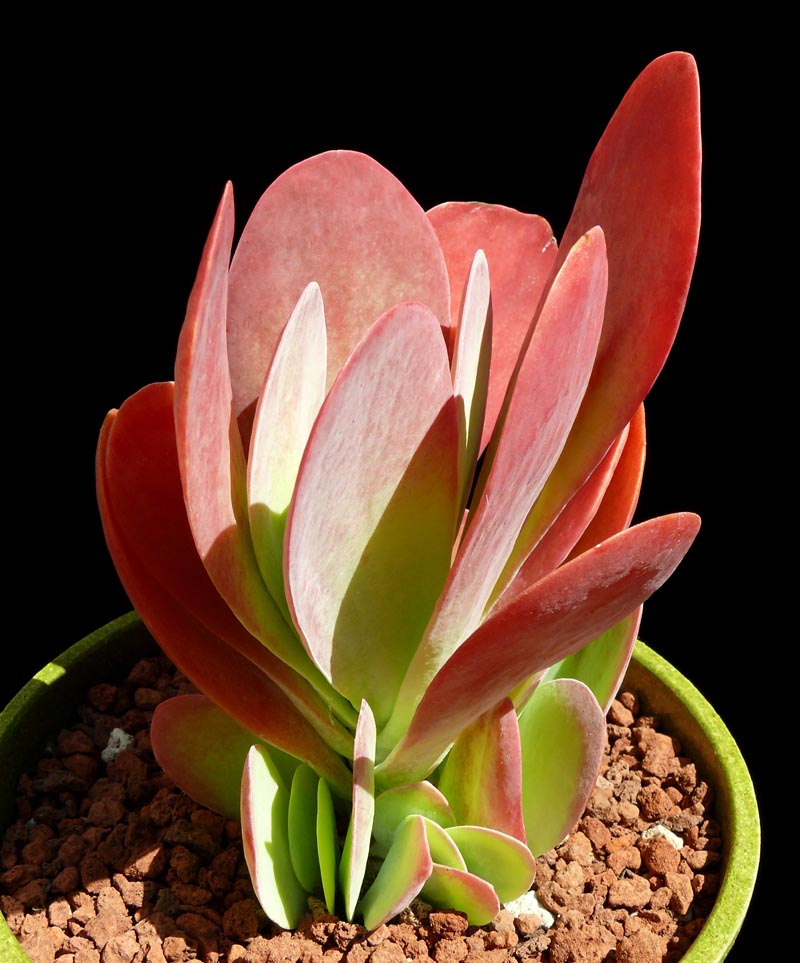
Craving a touch of greenery but worried you might not have the golden touch for gardening? Then, the Kalanchoe thyrsiflora, also known as the flapjack succulent or paddle plant, might be precisely what you need.
This easy-to-care-for succulent is a true superstar for beginners. It boasts unique, flattened leaves and thrives with minimal effort.
We at Cactus Jungle created this handy guide to help you with everything you need to know, from finding the perfect amount of sunlight and water to choosing the ideal soil mix.
Let’s get digging!
Meet the Kalanchoe thyrsiflora
The Kalanchoe Thyrsiflora (sometimes called Paddle Plant, or Flapjacks) is a standout succulent known for its eye-catching, flat, and fleshy leaves.
Just like other succulents, the Kalanchoe thyrsiflora stores water in its leaves, making it a drought-tolerant champion.
Your Kalanchoe thyrsiflora’s Light Needs
Finding the perfect spot for your Kalanchoe thyrsiflora is easy and vital.
This plant flourishes when it receives ample, indirect sunlight with just a little direct sun.
Too much direct sun can scorch the leaves, so avoid placing it in a south-facing window, where it will get bombarded by harsh afternoon rays.
An east-facing window is ideal, providing gentle morning light to fuel healthy growth. Think a room bathed in the gentle glow of morning light.
Watering Wisdom for Your Kalanchoe thyrsiflora
Remember, overwatering is the enemy of most succulents, and the Kalanchoe thyrsiflora is no exception.
- Make sure to let the soil dry out completely before watering again.
- Stick your finger into the soil – if the top inch feels dry, it’s time to water.
- When watering your plants, thoroughly soak the soil until water drains out from the bottom of the pot. This will ensure that the roots receive a good drink and stay healthy.
- Remove any water from the saucer to keep the roots from getting waterlogged.
The Perfect Home for Your Kalanchoe thyrsiflora’s Roots
Since succulents don’t like soggy roots, they need well-draining soil to prevent root rot. Standard potting mix can retain too much moisture, so use a well-draining cactus or succulent mix instead.
If you’re using a regular potting mix, consider adding pumice to improve drainage. Pumice, a lightweight volcanic rock, improves soil aeration and prevents waterlogging. This natural solution is a must for healthy, thriving plants.
Visit Cactus Jungle for all your cactus soil needs.
Propagating Your Kalanchoe thyrsiflora
Sharing the joy of your Kalanchoe thyrsiflora is easy!
This plant can be propagated using leaf cuttings or offsets (small plantlets that grow at the mother plant’s base).
Remove a healthy leaf with a sharp, clean knife and allow it to callus over for a few days (let the cut end dry out).
Then, plant the calloused leaf in a well-draining cactus mix and keep the soil slightly moist. Offsets can be gently removed and planted in their own pots with a cactus mix.
Troubleshooting Common Kalanchoe thyrsiflora Ailments
Even if you’re doing everything right, hiccups are bound to sneak up on you occasionally. Two of the most common problems with Kalanchoe thyrsifloras are:
Overwatering
Mushy or yellowing leaves are signs of trouble. If you notice this happening, try switching up your watering routine. Let the soil dry out completely before watering it again.
Pests
Look for signs of mealybugs or aphids, which appear as cottony white clusters or tiny sap-sucking insects. Treat with insecticidal soap or Neem oil solution according to the product label.
Repotting for Continued Growth
As your Kalanchoe thyrsiflora matures, it may become rootbound in its pot. This can hinder growth and make the plant more susceptible to underwatering.
Signs that your flapjack succulent needs a new home include roots peeking out of the drainage holes, stunted growth, and a lighter pot when lifted.
Repot your Kalanchoe thyrsiflora in spring or summer when it’s actively growing.
Choose a pot that’s only one or two sizes larger than the current one to prevent overwatering.
Use a well-draining cactus or succulent mix.

